
The Intersection of AI, Celebrity, and Digital Intimacy
In the ever-evolving landscape of online communication and content consumption, a new and provocative platform has emerged at the intersection of artificial intelligence and the celebrity-driven economy: OhChat.com. Described by its creators as “the lovechild between OnlyFans and OpenAI,” the website offers users a novel and intimate form of digital interaction by allowing them to engage in personalized conversations with AI-powered “digital twins” of celebrities and public figures. This review will delve into the core functionalities, business model, user experience, and the significant ethical questions that OhChat raises, providing a comprehensive analysis of its place in the modern digital world.
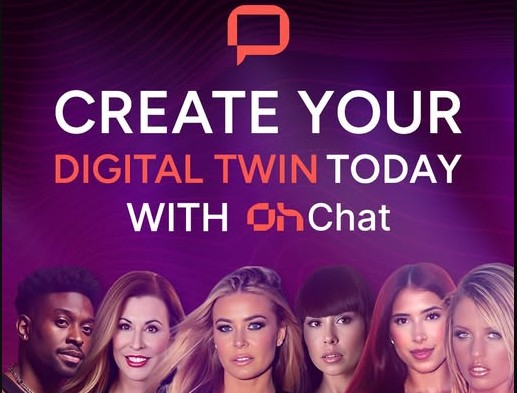
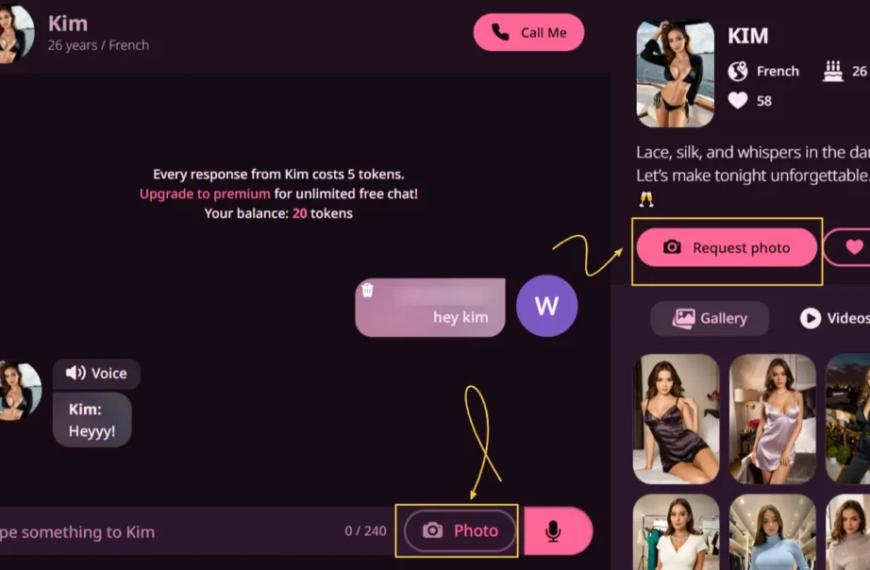
OhChat’s primary function is to serve as a platform for what the company calls “superModels” — highly capable, uncensored AI chatbots that mimic the appearance, voice, and personality of real individuals. Unlike traditional content platforms, where users pay for access to pre-recorded content, OhChat promises a dynamic and seemingly limitless interactive experience. The service is built on a tiered subscription model, with different levels of access corresponding to the depth of interaction. For a monthly fee, users can engage in text conversations, receive voice notes, and even get personalized images from the AI twin of their chosen celebrity. Creators, such as Carmen Electra and Katie Price, provide a limited amount of data, including photos and a brief voice recording, which the platform’s generative AI uses to create an autonomous digital replica.
The user experience on OhChat is engineered to feel personal and engaging. The AI avatars are designed to be responsive, remember past conversations, and even adapt their communication style to the user. This level of personalization is a significant differentiator from standard chatbots and is central to the platform’s appeal. By simulating emotional intimacy and companionship, the technology taps into fundamental human desires for connection. The promise of 24/7 availability and instant responses from a digital version of a celebrity offers a form of access that is impossible to achieve with a real person, creating a powerful and, for many users, compelling illusion. The platform’s interface is designed to facilitate this intimacy, with a user-friendly chat environment that feels both familiar and personalized.
From a business perspective, OhChat presents a compelling value proposition for creators. The model promises “unlimited passive income” by allowing creators to generate revenue without any ongoing time commitment after the initial setup. Creators reportedly receive an 80% cut of the revenue generated by their digital twin, a split that is notably generous compared to many other content platforms. This model leverages the creator’s likeness and existing fan base, monetizing it in a way that is less labor-intensive than producing traditional content. The platform takes a 20% cut, and its rapid growth since its launch in late 2024, attracting hundreds of thousands of users, suggests a robust market for this new form of digital entertainment. The company has also raised significant seed funding, indicating confidence from investors in its business model.
However, the rapid growth and innovative business model of OhChat are not without significant ethical and social concerns. The most prominent issue revolves around the concept of consent and the potential for emotional manipulation. While creators consent to their likeness being used to create an AI twin, the autonomous nature of these avatars means they can engage in conversations and build relationships that the real person is not a part of and may not even be aware of. Critics argue that this creates an environment where the human is “left behind completely” while still being exploited. The technology’s ability to simulate intimacy and emotion is so effective that it can lead users to develop genuine feelings for an artificial personality, a phenomenon some experts have dubbed “algorithmic theatre.” This raises serious questions about the platform’s long-term psychological impact on its user base.
Furthermore, while the company’s CEO has stated that all depictions of real people are licensed and consented to, the very nature of an “uncensored” AI raises questions about the content it might generate. The platform’s ability to create sexually suggestive chats and topless imagery, as reported in the media, pushes the boundaries of digital ethics. The development of new legal frameworks and regulations for AI-generated explicit content is still in its nascent stages, leaving platforms like OhChat in a gray area where the full implications of their technology have yet to be determined. The company’s claim to be an “ethical” alternative to other explicit content sites is a key part of its messaging, but this is a point of ongoing debate among technologists and ethicists.
Compared to its competitors, OhChat carves out a unique niche. While platforms like Character.AI and other AI companion services offer interactive chatbots, OhChat’s direct link to real-world celebrities and public figures gives it a specific appeal. It positions itself as a premium, entertainment-focused service rather than a general-purpose chatbot. The combination of a strong creator-centric revenue model and the explicit nature of some of the content differentiates it from mainstream AI applications. The platform’s success hinges on its ability to navigate the complex legal and ethical landscape that accompanies its technology, particularly as it attracts more users and public scrutiny.
In conclusion, OhChat.com is a groundbreaking platform that represents a significant leap in the use of generative AI for entertainment and personal interaction. It offers a new form of digital intimacy that is both compelling and potentially problematic. The platform’s tiered subscription model and generous creator revenue split make it an attractive proposition for public figures looking to monetize their brand passively. However, its core functionality raises profound questions about consent, emotional manipulation, and the future of human connection in an age of ubiquitous artificial intelligence. While the company has taken steps to secure licensing and consent, the autonomous nature of its digital twins means a significant portion of the user experience occurs without direct human oversight. The success of OhChat will not only be measured by its user base or revenue but also by how it addresses and navigates these complex ethical challenges. It stands as a powerful case study in the ongoing conversation about the responsibilities of platforms that blur the lines between human and artificial interaction.

 By
By